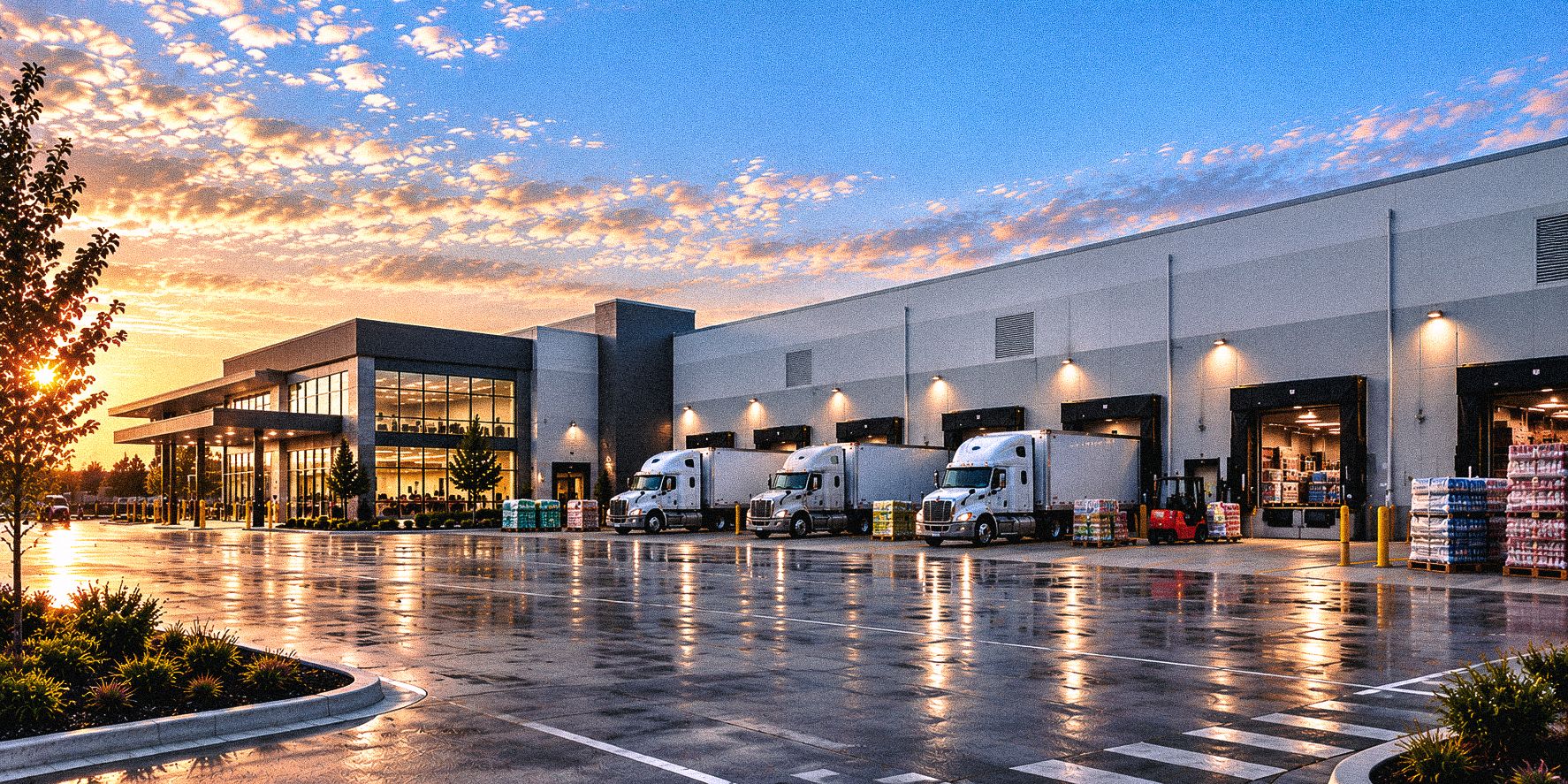
A Backup in a Food Plant Isn’t a Service Call. It’s a Contamination Event. We Stop It Long Before That.
High-capacity interceptor pumping, mainline hydro jetting, and lift station service and repair. Scheduled around your production run and documented for every audit.









In a restaurant, a blocked interceptor closes the kitchen for a night.
In a food plant, it sends wastewater into a production area. It stops a line mid-run. And it creates a record someone will have to explain.
The difference isn’t size. It’s what’s at stake. Everything downstream of a plant drain is at risk: the product in process, the sanitation schedule, and the certification your plant depends on. All of it rides on a system nobody looks at until it fails.
Request a Plant Assessment

- customer locations served
- 129,500+
- facilities nationwide
- 90+
- trucks and tankers
- 1,000+
- in liquid waste
- 24+ years
- on-time service
- 95%
- of material recycled
- 94%
- route coverage
- Day & night
- Compliance™ Guarantee
- TripleLock
Your Interceptor Was Sized for a Building. Your Line Loads It Like a Factory.We Plan for Your Real Output.
Restaurant-size units are built for on-and-off use and a predictable daily rush. A processing line runs nonstop, at volumes and temperatures that building-code sizing never planned for.
What this means: a plant on a schedule borrowed from restaurant rules either pays for visits it doesn’t need or finds the gap mid-run. LES sets your schedule by interceptor size and the waste your plant actually produces. It is the only method that holds up against a real production schedule.
Production Can’t Stop for a Service Visit.We Schedule Around the Run, Not Through It.
Sanitation windows, changeovers, shift patterns and seasonal peaks all decide when a plant can be serviced. None of them can bend to fit a truck route.
Schedules built from your actual load
How often we service is based on interceptor size and the waste your plant actually produces, not a general default.
Day and night routes
LES runs both. So service fits into your sanitation window or between runs, not on top of them.
Staffed for the size of the job
Large interceptors and lift stations are not one-truck visits. A high-volume plant may need two trucks and four technicians over two days. We plan it that way from the start.
Planned one asset at a time
We handle the interceptor, mainline and lift station separately. So no single visit takes more of the system offline than the plant can handle.
Site requirements handled in advance
GMP and hygiene rules, contractor training, PPE and access rules are built into scheduling, not discovered at the gate.
Every Extra Vendor Is Another Schedule to Protect.Here’s Everything We Cover.
Full removal of built-up grease, sludge and wastewater from high-capacity interceptors with heavy-duty vacuum trucks.
High-pressure cleaning of plant drains and mainlines. It clears hardened buildup before it blocks a line.
Pump-out and cleaning of wet wells and lift stations. They clog quietly, and when they fail, everything upstream backs up.
Upkeep and repair of underground concrete and steel interceptors: structural damage, broken baffles and failed connections.
Resizing when your output has outgrown the unit. New installs for plant expansions and new lines.
Hauled to LES facilities, processed and recycled — 94% of what we collect is put to good use again.
Manifests and disposal records tracked against city pretreatment rules and kept for five years.
Hot Washdown Sends Grease Straight Past Your Interceptor.We’ll Show You Where It’s Actually Going.
This problem looks like a service issue, but it isn’t. Wash water above about 140°F keeps fats liquid all the way through the interceptor. They pass through without separating. Then they cool and harden again in the sewer line past your property.
The interceptor looks fine. The service records look fine. But the clog forms somewhere you don’t own. The first you hear of it is from the city.
Every LES visit includes an inspection, not just a pump-out. So we spot problems like this early, before they turn into violations. When it helps, we will point out habits worth a second look:
Wash water temperature
Above about 140°F, fats stay liquid through the interceptor and harden again downstream. Lowering washdown temperature is often the biggest single change you can make.
Wipe and scrape before washing
Clearing solids and fats from pans, trays and equipment before they reach a drain is the cheapest place to stop them.
Drain screens and strainers
Removable screens on floor and sink drains catch solids. Otherwise those solids flow into the interceptor and use up its space.
Food grinders and disposals
Ground-up solids pass through interceptors and overload the system downstream. Limiting or removing grinders makes a real difference.
Send floor and mop water to the right drain
Floor cleaning water should drain only into drains connected to an interceptor. In plants, this is one of the most common ways water skips the interceptor by mistake.
Staff practice and signage
Sanitation crews change. Clear signs at washdown stations and regular refresher training keep the gains that equipment alone can’t.
The Auditor Will Ask for the Log.It’s Already in Your Portal.
Food plants are certified under programs with both scheduled and surprise audits. Meat and poultry plants have inspectors on site during production. Drain condition, sanitation habits and maintenance records are all checked.
-
We leave a manifest copy on site at every visit.
-
Final manifests, with disposal details, are kept in an online portal for five years, and your team can access them.
5 yrs -
Every visit also creates an inspection record. It covers the interceptor, baffles, structure and lift station status.
One Plant Has Four Vendors and No Single Record. A Network Has Forty.Bring Them Into One.
One service standard
The same documented process at every plant. Done by LES team members in LES trucks, not handed off to a local vendor.
One chain of custody
Every gallon tracked from your plant, on LES trucks, to an LES processing facility. Documented for each site.
Network-wide reporting
Service history, volumes and compliance records across every facility. No piecing them together from separate vendor invoices at audit time.
Schedules still set for each plant
A dairy line and a bakery are not the same site, even in the same company. One vendor makes one team responsible. It doesn’t mean the same schedule everywhere.
You’ll Need Another Provider for Some of This.Here’s What.
LES handles
- Grease interceptors — pumping, cleaning, repair, replacement and installation
- Lift station and wet well cleaning
- Mainline and facility hydro jetting
- Non-hazardous process and washdown water
- Sludge from pits, sumps and basins
- Compliance records and recycling
LES does not
- Solid food waste and organics diversion
- Rendering of meat and bone by-products
- Hazardous waste of any classification
- Regulated medical or biohazard waste
- General refuse and recycling hauling
- Sanitation chemicals and cleaning services
Keep the line running and the record clean.
Interceptors, lift stations and mainlines. Serviced around your production schedule, documented for every audit, and recycled at our own facilities.