One FOG Management Program for Every Kitchen You Operate
Fats, oils and grease are the one waste stream that restaurants, grocery delis, hotel banquet kitchens and hospital cafeterias all share. It is also the one most likely to shut them down. LES manages it nationwide, from start to finish.
Trusted by leading multi-site operators nationwide









What FOG Is,and Why Regulators Care
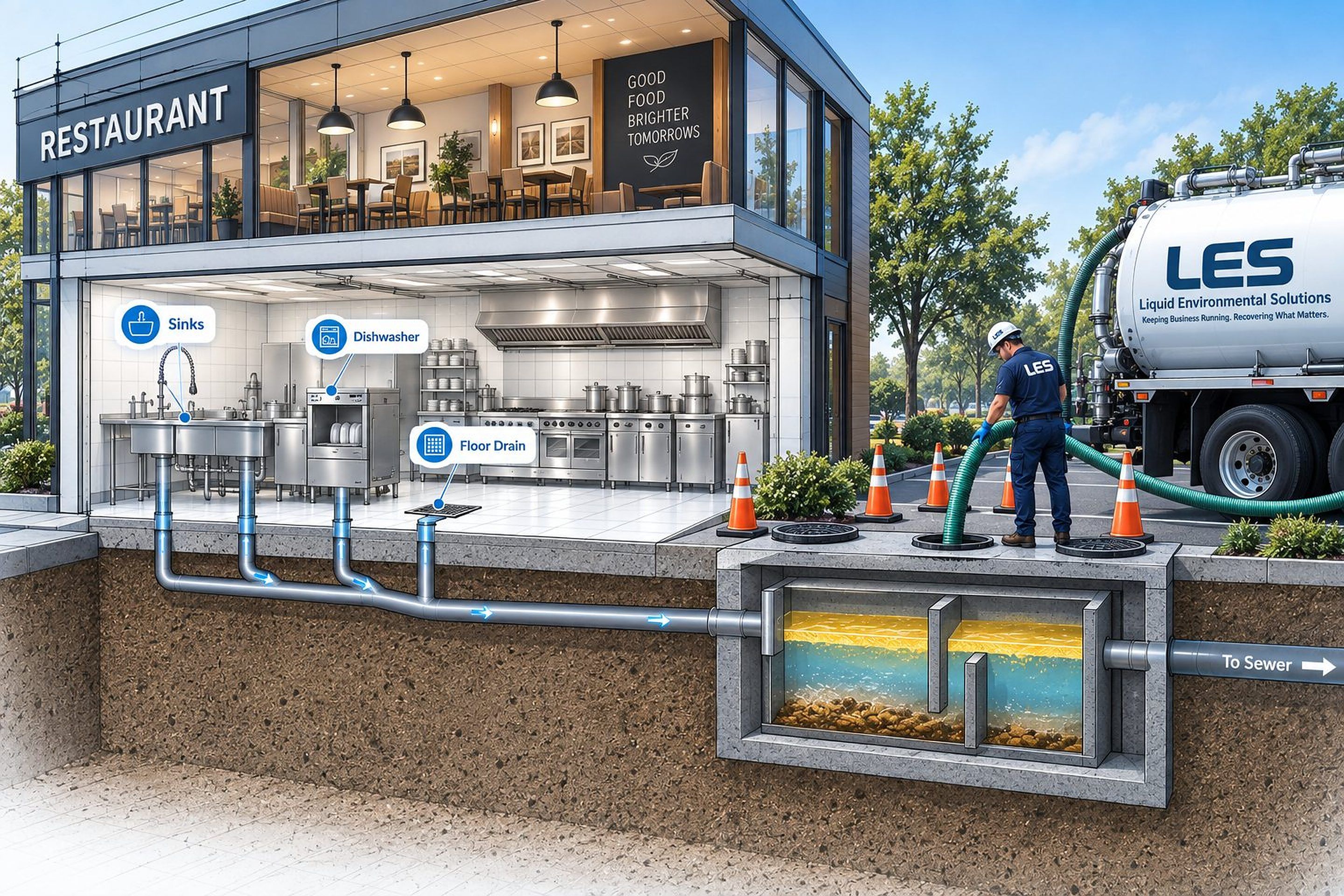
FOG stands for fats, oils and grease. It comes from cooking, food prep and dishwashing in any commercial kitchen. It goes down the drain as a warm liquid, but it does not stay that way.
As it cools in the sewer line, FOG hardens and sticks to the pipe walls. Layer by layer, it narrows the pipe until flow stops. On your property, that means a backup into the kitchen. Past the property line, it adds to sewer overflows. That is why cities control FOG at the source, not downstream.
That is the basis of every FOG rule. The city requires each food business to catch grease before it reaches the public sewer. You must keep that equipment working well. And you must prove both with records.
-
The requirement
Catch FOG on site, before it reaches the city sewer, with a grease trap or interceptor that is the right size.
-
The maintenance standard
Most local rules require cleaning when FOG and solids reach 25% of the unit’s capacity. Most also set a maximum schedule, often 90 days, no matter how full it is.
-
The proof
Service records, manifests and disposal records, ready when asked. In most areas, service without records counts as no service.
What LES Manages
Four vendor types that most businesses manage on their own. Different trucks and different techs, but one contract, one report system and one number to call.
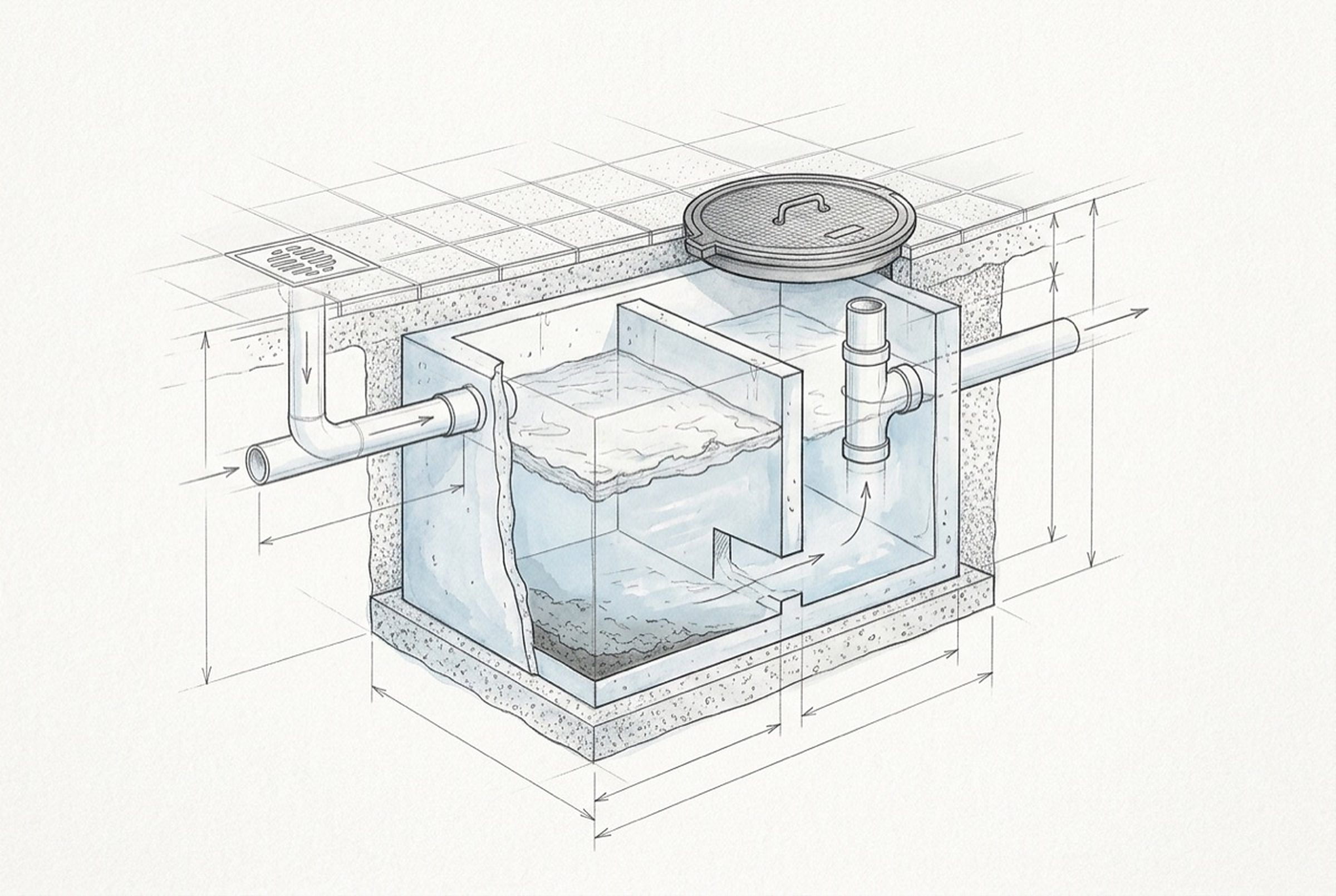
Grease trap & interceptor service
Scheduled cleaning with a full pump-out, plus a recorded inspection on every visit.
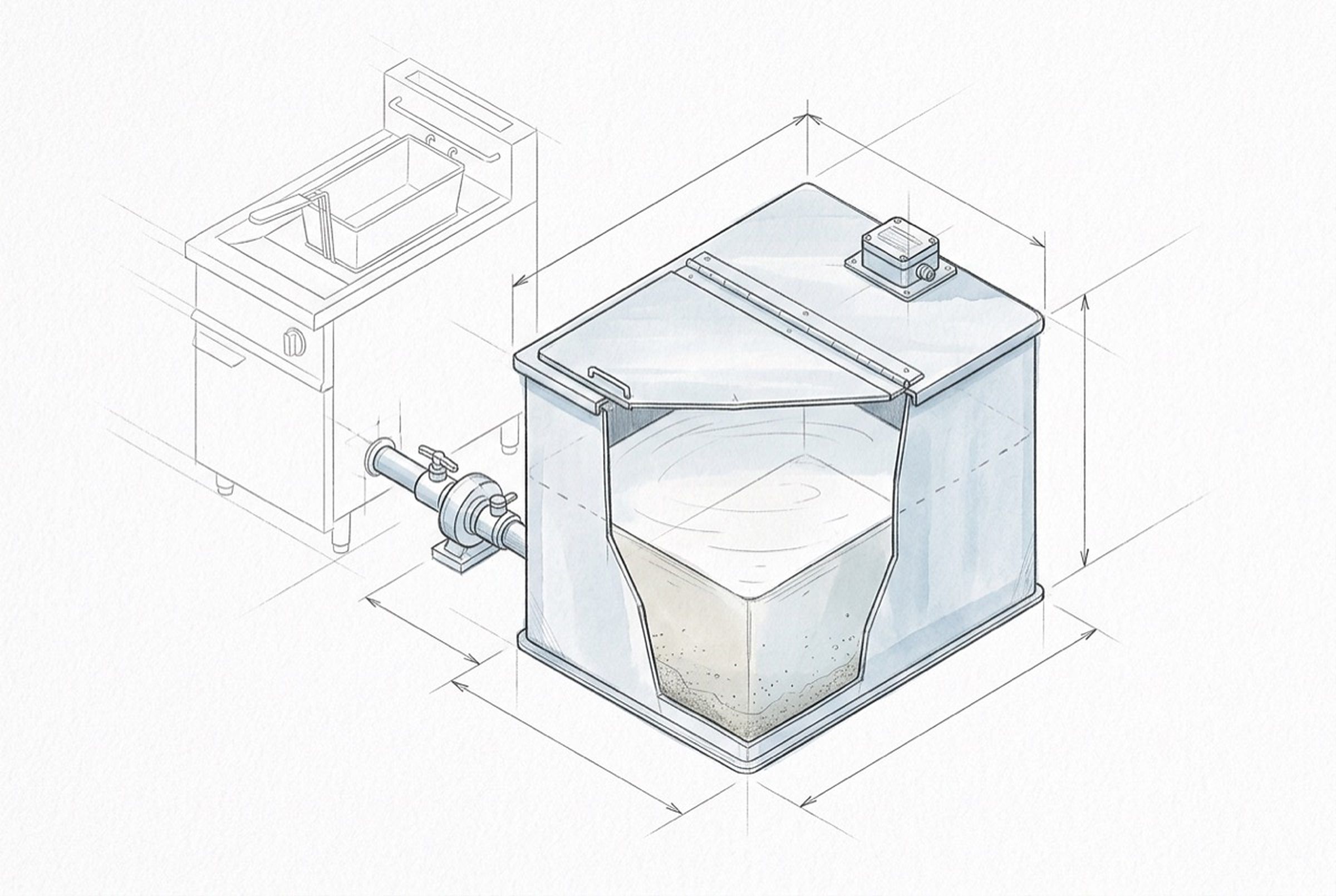
Used cooking oil collection
Sensor-tracked containers, smart pickup routes and a rebate tied to volume and oil quality.
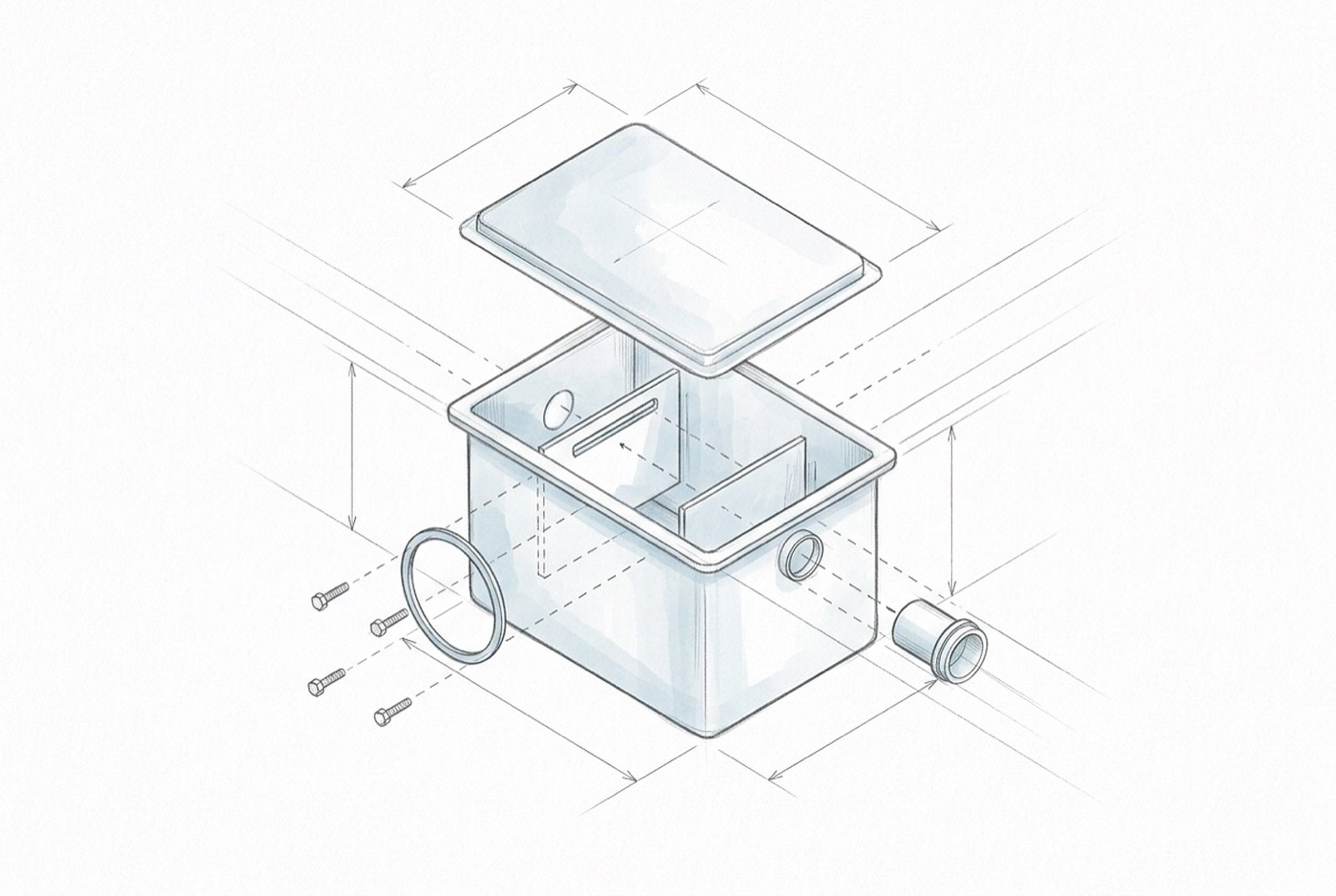
Repair, replacement & installation
Failed baffles, cracked bodies, worn lids and units that are too small. Found during service, fixed by screened contractors.
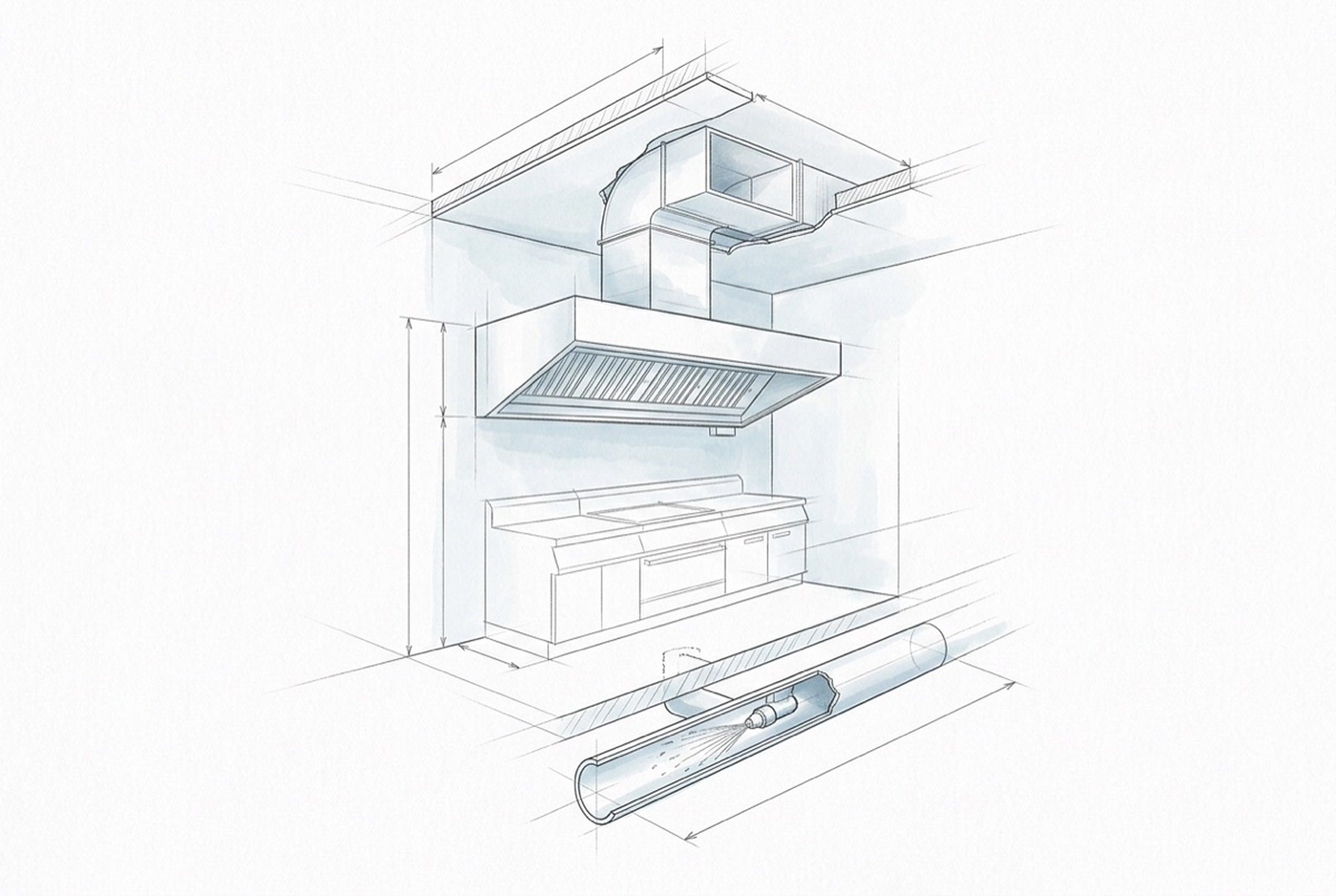
Hood cleaning & line jetting
NFPA 96 hood cleaning and preventive drain line jetting, scheduled around your business hours.
129,500+
Customer locations served
90+
Facilities nationwide
1,000+
Trucks and tankers
24+ years
In liquid waste
95%
On-time service
94%
Of material recycled
525M+ gal
Recovered annually
6,000+
Regulations tracked
One Waste Stream, Very Different Kitchens
FOG is the same everywhere. What changes is volume, access, timing and who is responsible. Those differences make one national program harder than it sounds.
-
Volume and composition
A fried-chicken spot and a hotel banquet kitchen make very different loads from the same size space. Schedules set by building size, not real output, are wrong from day one.
-
Access and timing
A restaurant gets serviced overnight. A school gets serviced during breaks. A hospital never closes, and a grocery deli runs from before dawn.
-
Who is responsible
An owner decides alone. A franchisee decides for one site. A facilities director decides for four hundred, and a buying team runs an RFP.
-
System age
A new build has an interceptor of the right size. A converted retail space often does not. A 1970s strip mall almost never does.
Find Your Business Type
Each type below has different equipment, different buying habits and different rules. Pick the one that matches your business.
-
Restaurants: chains & franchise
Programs for chains, covering company-owned and franchised sites. Central reporting and one responsible partner.
-
Grocery stores
Deli, bakery, seafood and rotisserie all make FOG. Plus fleet and parking lot waste most vendors won’t touch.
-
Convenience stores
Lots of sites, growing hot-food menus, and equipment rarely built for the volume it now handles.
-
Hotels & hospitality
Banquet kitchens, many outlets under one roof, and service times set by guests, not business hours.
-
Schools & universities
Campus dining halls and satellite kitchens, with service planned around terms and breaks.
-
Healthcare facilities
Cafeterias and patient kitchens that run around the clock, where closing is not an option.
-
Ghost kitchens & food halls
Many businesses share one grease trap. Who is responsible for what needs to be set before it fails.
-
Corporate cafeterias & catering
Catered sites where the caterer, the landlord and the tenant each own part of the duty.
-
Stadiums & entertainment venues
Huge peaks on event days, long quiet stretches in between, and service that has to fit the calendar.
Food & beverage manufacturing
Process wastewater, high-volume FOG and pretreatment rules that go far beyond a standard grease trap.


Compliance, on Record
FOG rules are local. They are not the same from place to place, and they change without warning. One site deals with one set of rules. A chain deals with hundreds. LES tracks local wastewater rules through FOGLaw®. We set each site’s schedule by the local rule and that kitchen’s real output. And we record every visit.
We track the rules
FOGLaw® tracks wastewater rules nationwide. So a rule change shows up in your service schedule, not your inspection report.
We do the service right
Every visit follows a seven-step process. It is built to make sure the unit is fully pumped out and cleaned.
If we cause it, we own it
Where an LES error results in an emergency service or a Notice of Violation, LES covers the associated cost in accordance with the guarantee.
The TripleLock Compliance™ Guarantee
Recovery, Not Just Removal
FOG is not just a compliance problem. Used cooking oil has real value, and the water in trap waste can be recovered.
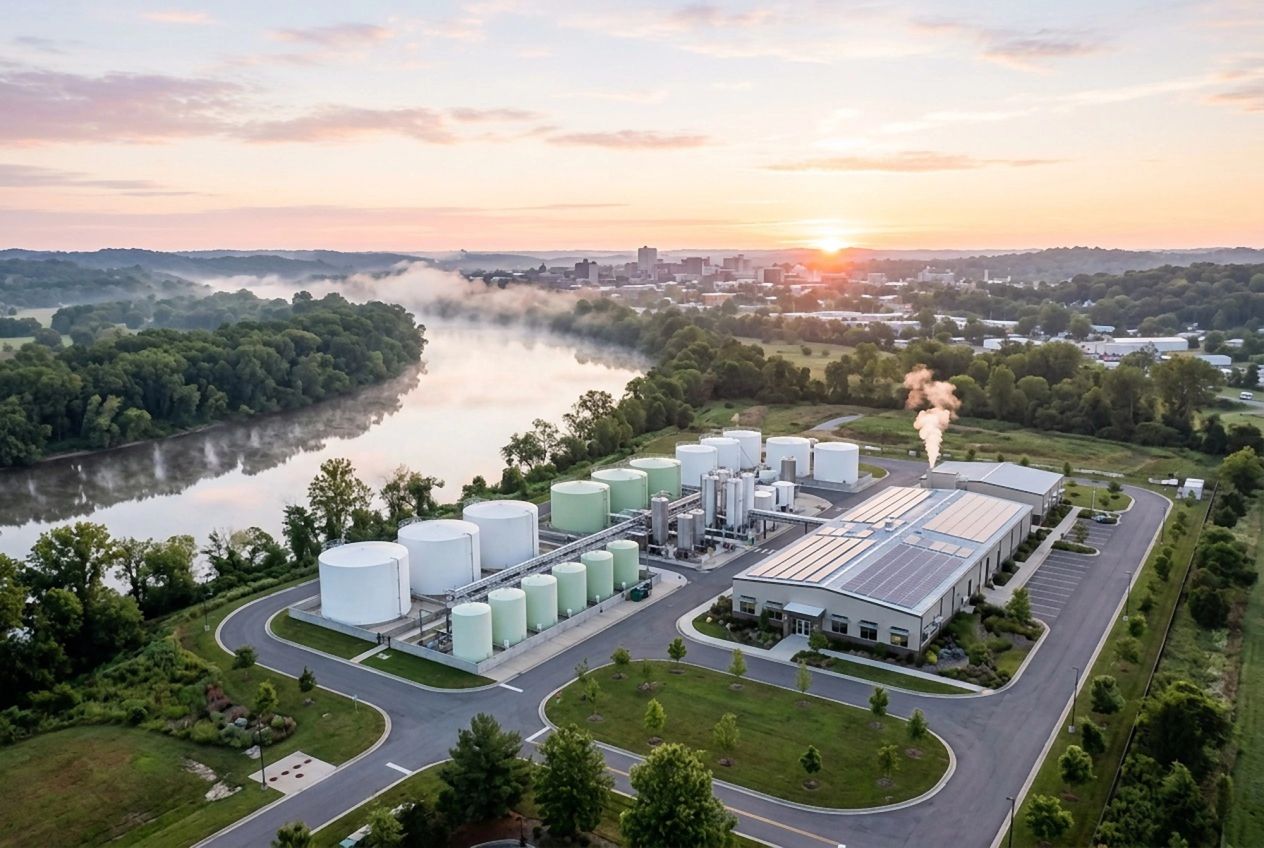
LES recovers 525M+ gallons each year and recycles 94% of what we collect for reuse. LES owns the pickup, hauling, records and recycling from end to end. So that result is recorded for each site, not just claimed. That is the difference between a green claim and a real sustainability report.
Used cooking oil turned into renewable fuel feedstock
Water recovered and put back to good use
Grease and food solids kept out of landfills
Chain-of-custody records set up for ESG reporting
One partner for every kitchen you operate.
Grease traps, used cooking oil, repairs and hoods. Collected, recorded and recycled by one company that owns the whole chain.
24/7 emergency service nationwide